
New corporate website for the energy company
Project type
New corporate website
Industry
Energetics
Technologies
 Drupal
 Tailwind CSS
 Vite
ViteScope of work
Web development, post-implementation support, UX/UI design
Key Project Elements
- Content migration from Drupal 7 to 11, including rebranding from EWE to Elenger
- Transferring the website logic and key functions, including the gas consumption calculator
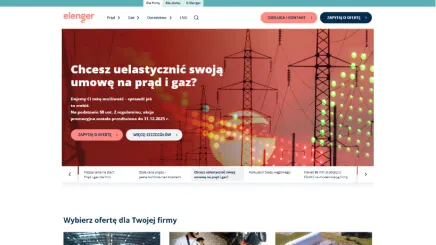
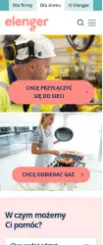
- New graphic design implementation
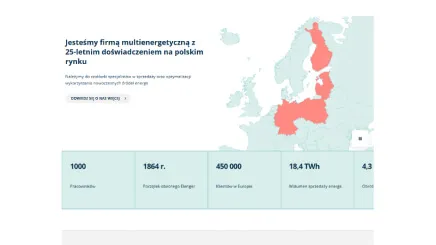
- An interactive map presenting detailed data about the distribution network in a given region
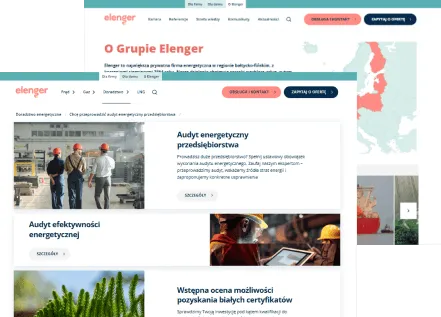
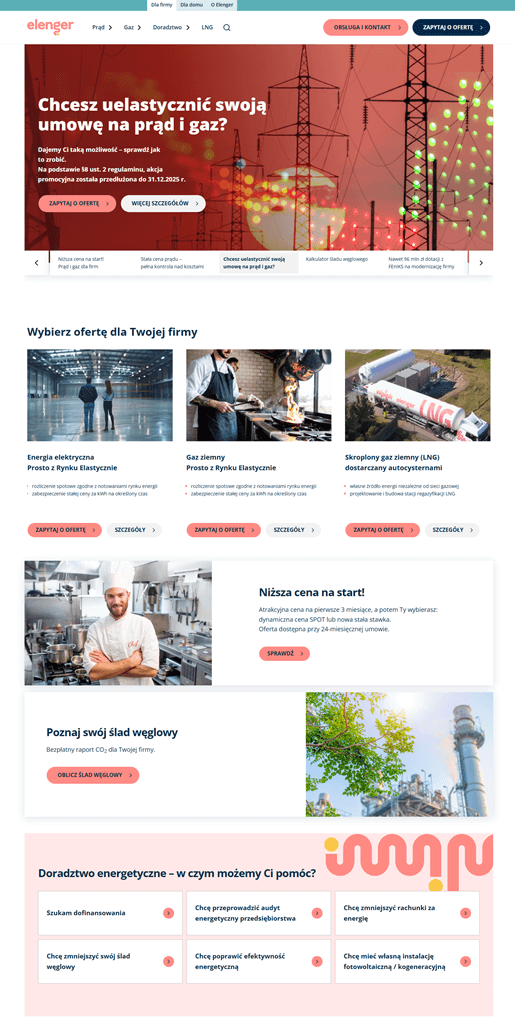
- Dividing the website into three main sections: “for company”, “for home”, and “about Elenger”
About the Client
Elenger is the largest private energy company in the Baltic-Finnish region, operating since 1864. It offers comprehensive solutions in natural gas, LNG, biomethane, and electricity, including renewable energy. The company operates in six European markets. Its mission is to provide efficient and climate-friendly energy sources that support the region’s sustainable development.
The Challenge
The client wanted to upgrade from Drupal 7 to 11. Because of significant technological differences between the system versions, we couldn’t simply copy the functions. We had to build them from scratch.
Renaming the brand from EWE to Elenger was equally important. This required implementing a completely new website design. The entire project was to be completed within four months.
The Goal
Our main objective was to build a new, consistent Elenger website. We aimed to eliminate content and functionality inconsistencies caused by maintaining two separate website versions – one for desktop and one for mobile.
We also focused on the administrators. We wanted to simplify adding new posts and editing content to make website management easier.
Solution
In line with the project’s objectives, we implemented the project using Drupal. We used the latest version, which guarantees security updates and full community support.
Due to the significant technological differences between Drupal 7 and 11, some solutions had to be rebuilt from scratch. Instead of trying to adapt the legacy code, we rewrote key features to leverage the new architecture’s capabilities and adhere to current standards.
We implemented the visual layer using two tools: Tailwind CSS and Vite. Tailwind allows for describing the appearance of each element, such as a button, directly in its code. Therefore, instead of creating the structure in one file and the appearance in another, we could do everything in a single place, saving time and simplifying the codebase. Vite, on the other hand, allowed us to immediately view all the changes we made in the browser (without refreshing the page). Both tools accelerated our work and helped us meet our tight deadline.
Solution Details
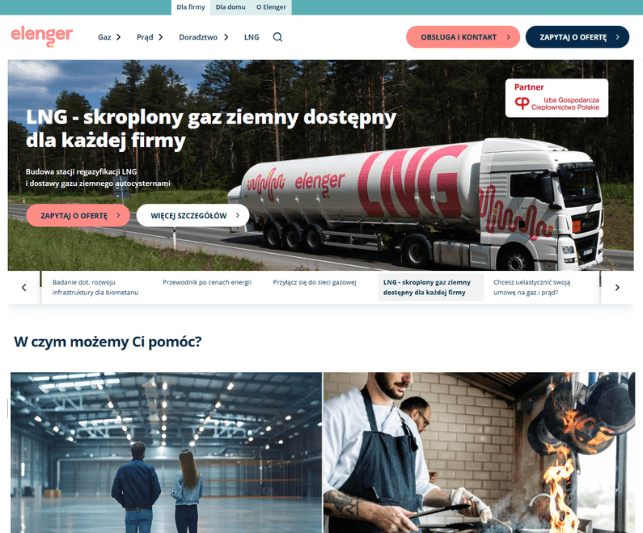
From Group Branding to Its Own Style
The website’s project coincided with the Elenger Group's acquisition of the EWE brand. With the ownership change, the Polish brand adopted the Elenger visual identity – colors, typography, and general graphic principles applicable across all markets.
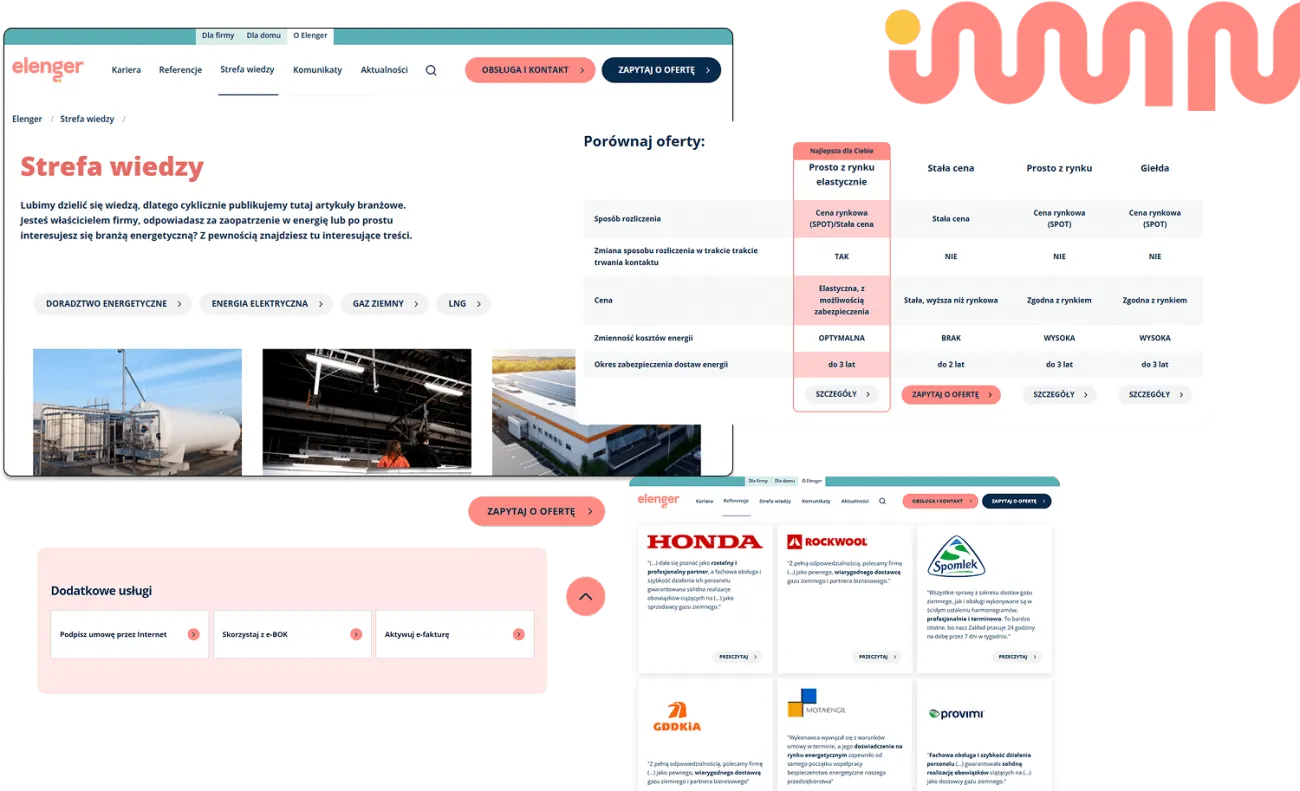
Working within this framework, we designed a new layout that referenced the Estonian version of the website while significantly expanding upon it. We proposed our own modular solutions, a bolder use of the distinctive coral color, and a new approach to Elenger’s key visual. The result is a website that fits within the group’s visual identity while offering significantly more than the base version.

Intelligent Migration and Automatic Rebranding
Changing multiple subpages manually risked errors and project delays. Therefore, we implemented advanced scripts that automatically detected mentions of the old brand (EWE) and replaced them with the new one (Elenger).
The mechanism also detected links pointing to the old domain and updated them to the new address. This prevented dead links and maintained the website’s SEO integrity.
B2B-First Architecture
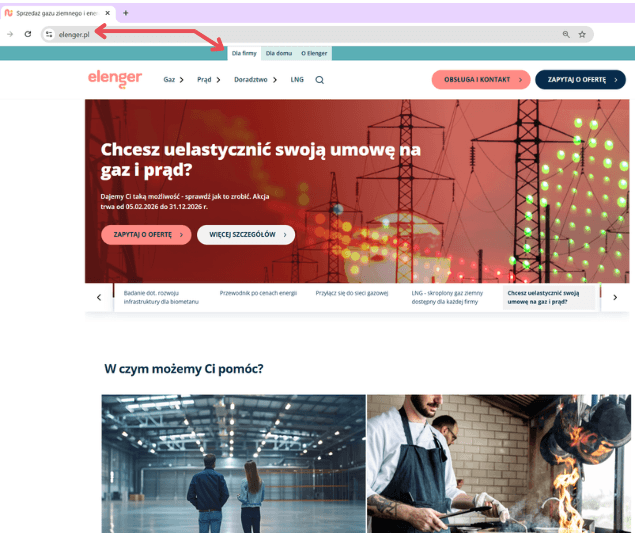
The elenger.pl website defaults to the business version – a conscious decision driven by the brand’s nature and business goals. The site’s primary goal is to generate B2B leads, from small businesses to large manufacturing plants. We designed the navigation architecture and content hierarchy to reflect this priority from the user’s first interaction with the website.
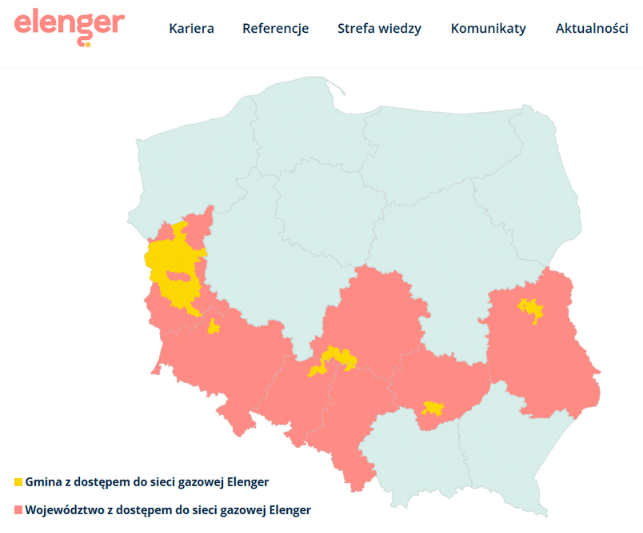
Business Area Map
We abandoned static graphics in favor of a fully dynamic solution. Our goal was not only to align the map with the brand’s visual identity but also to reduce Customer Service inquiries regarding service coverage. Now, users can simply hover over a selected location to check availability.
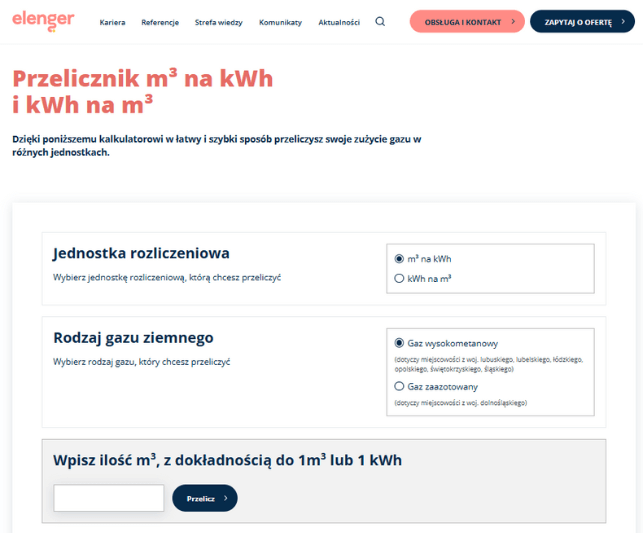
Precise Gas Consumption Calculator
We modernized the energy calculator logic to support bi-directional unit conversion (m³ to kWh and vice versa). We also included the ability to edit the conversion factor independently.
Thanks to this solution, users not only receive an average estimate but can also calculate precise energy values by entering real data, such as invoice figures. The entire process runs in real time without reloading the page.
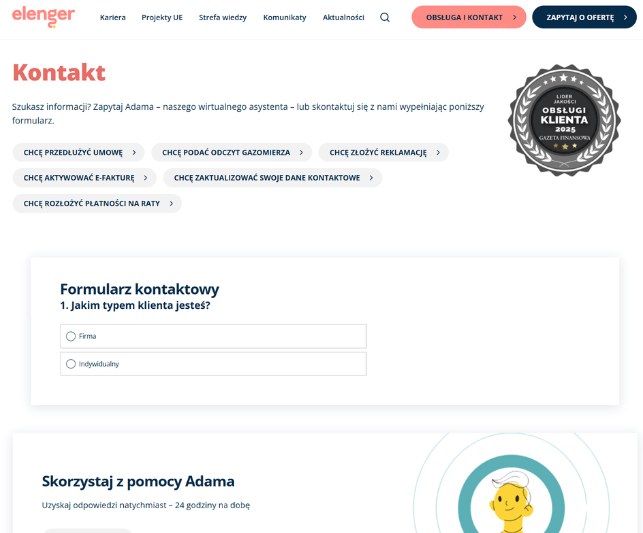
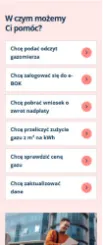
Multi-Step Service Form
We designed a multi-step service form based on the progressive disclosure principle. Users first specify their customer type – individual or business – then whether they are already an Elenger customer, and only then do they select the subject of their request. At each stage, they see only the fields relevant to their specific situation.
The goal was to reduce the hotline's workload by directing users to appropriate self-service paths. Instead of a single, generic contact form, each request type leads to a specific set of fields and information.
The Effects
The new website delivers a consistent brand image, robust security, and an intuitive editing experience
In just 4 months, we built an enterprise-class website. We proved that even under tight schedules, there’s no need to compromise on code quality or design. Specifically, we:
Eliminated technical debt by migrating from Drupal 7 to 11.
Replaced two separate website versions (mobile and desktop) with a single, fully responsive ecosystem.
Enabled the marketing team to manage the menu structure, forms, and content independently.
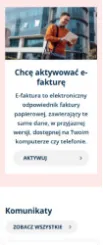
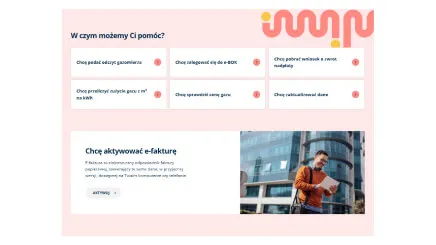
Increased client independence, allowing them to review the scope of service and estimate costs without contacting support.
Maintained the website’s search engine visibility despite the name and domain change.
Statistics
12
10
4
+ 600
Planning a Drupal upgrade?